When your AI agent looks like an attack: the new security reality for startups
- May 15, 2026
- 2 min read
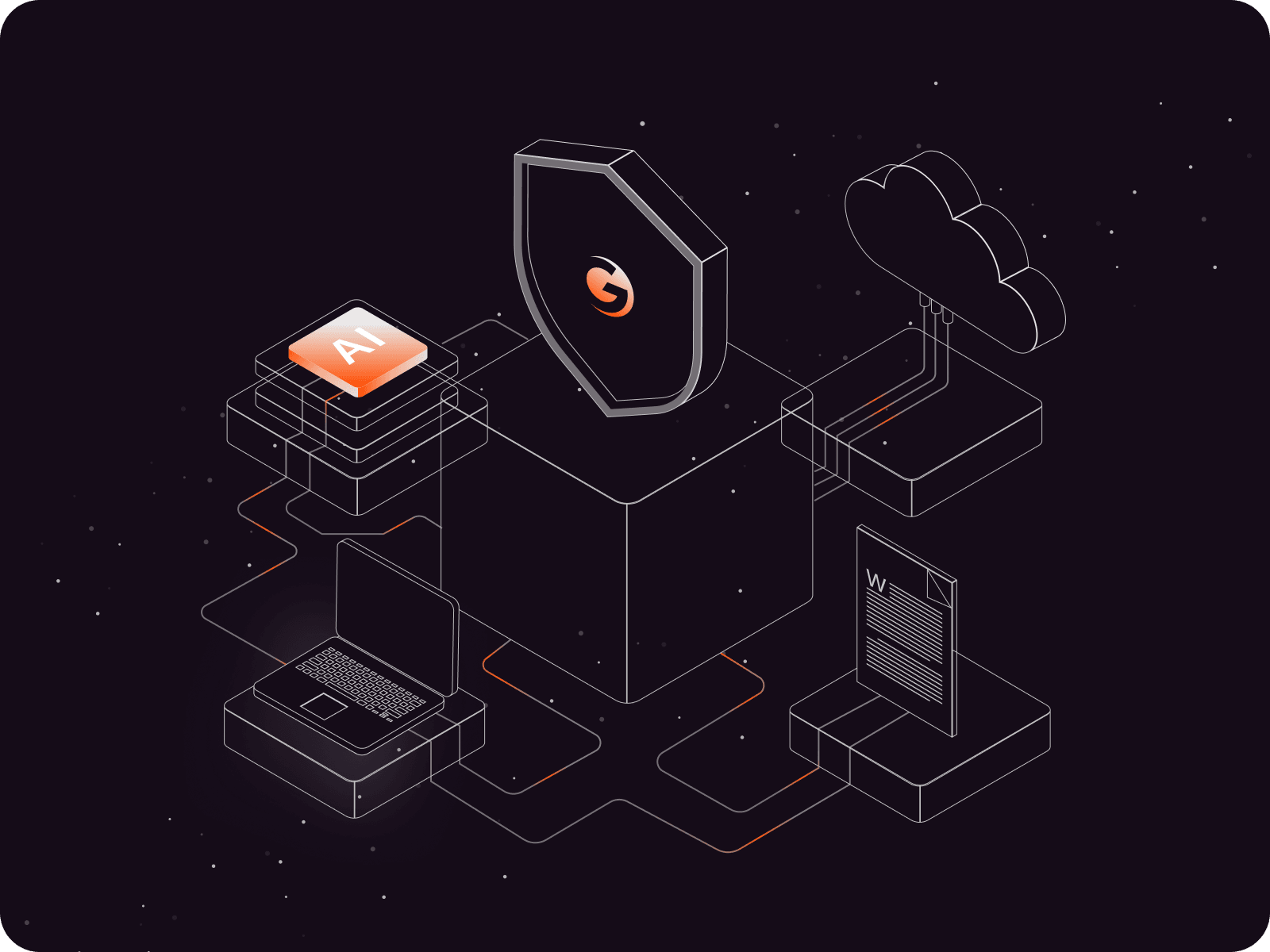
The first time your agent gets blocked, it feels like a bug.
The user asked it to do something simple: browse, check availability, gather information, maybe submit a form. The agent does it efficiently—and then hits a wall: CAPTCHA, throttling, an IP ban.
The user doesn’t say, “Your agent is triggering bot defenses.”
They say, “Your product doesn’t work.”
Welcome to the collision at the heart of the agent economy:
Agents are optimized for efficiency. Security systems are optimized to distrust efficiency.
Why “legit” agents trigger defenses
Modern bot and fraud defenses don’t measure intent. They measure signals.
Humans are messy: they hesitate, scroll unpredictably, get distracted. Agents are consistent, parallel, and fast.
From a defense perspective, that looks like scraping, automation abuse, or fraud—because historically, it often was.
At Gcore, we see this at the edge where traffic behavior becomes reputation. Once a pattern is flagged, it’s not just a single session that breaks. Entire workflows can fail repeatedly across networks.
The new problem: legitimate automation can resemble fraud
Here’s the twist nobody fully anticipated:
AI agents are making “automation at scale” normal.
But fraud systems were built in a world where high-frequency, consistent behavior was often malicious.
So startups get trapped in a paradox:
- Make the agent fast → get blocked.
- Make it slow → users complain.
- Make it stealthy → reputational and legal risk.
The “respectful agent” pattern
The durable solution isn’t stealth. It’s governable automation.
If you want enterprise adoption, your agent needs to behave like a responsible participant in defended ecosystems.
It needs pacing.
It needs backoff.
It needs caching to avoid repetition.
It needs guardrails around actions.
And it needs a story a security team can approve.
Field note: the difference between “smart” and “sellable”
I’ve seen founders build astonishing agent demos—then fail enterprise reviews because they can’t answer:
What domains can it touch?
How is it constrained?
Can you throttle it per tenant?
Can you explain what happened when it misbehaves?
It’s not that enterprises hate agents. They hate uncertainty.
The European angle
Europe’s governance culture accelerates this shift. If your product interacts with external systems, the buyer will eventually ask: how do you prevent accidental abuse? How do you document behavior? How do you prove accountability?
If you can answer those questions, you don’t just avoid blocks. You become trustworthy—something rare in the agent boom.
Closing thoughts
Agents are not going away. Defenses are not loosening.
The winning startups won’t be the ones that “bypass” security systems.
They’ll be the ones that build agents security teams can comfortably allow.

Related articles



Earlier this year we brought NVIDIA Dynamo to Gcore — one-click disaggregated inference that delivered up to 6× higher GPU throughput and 2× lower latency inside a deployment, by separating prefill and decode and routing each request to the
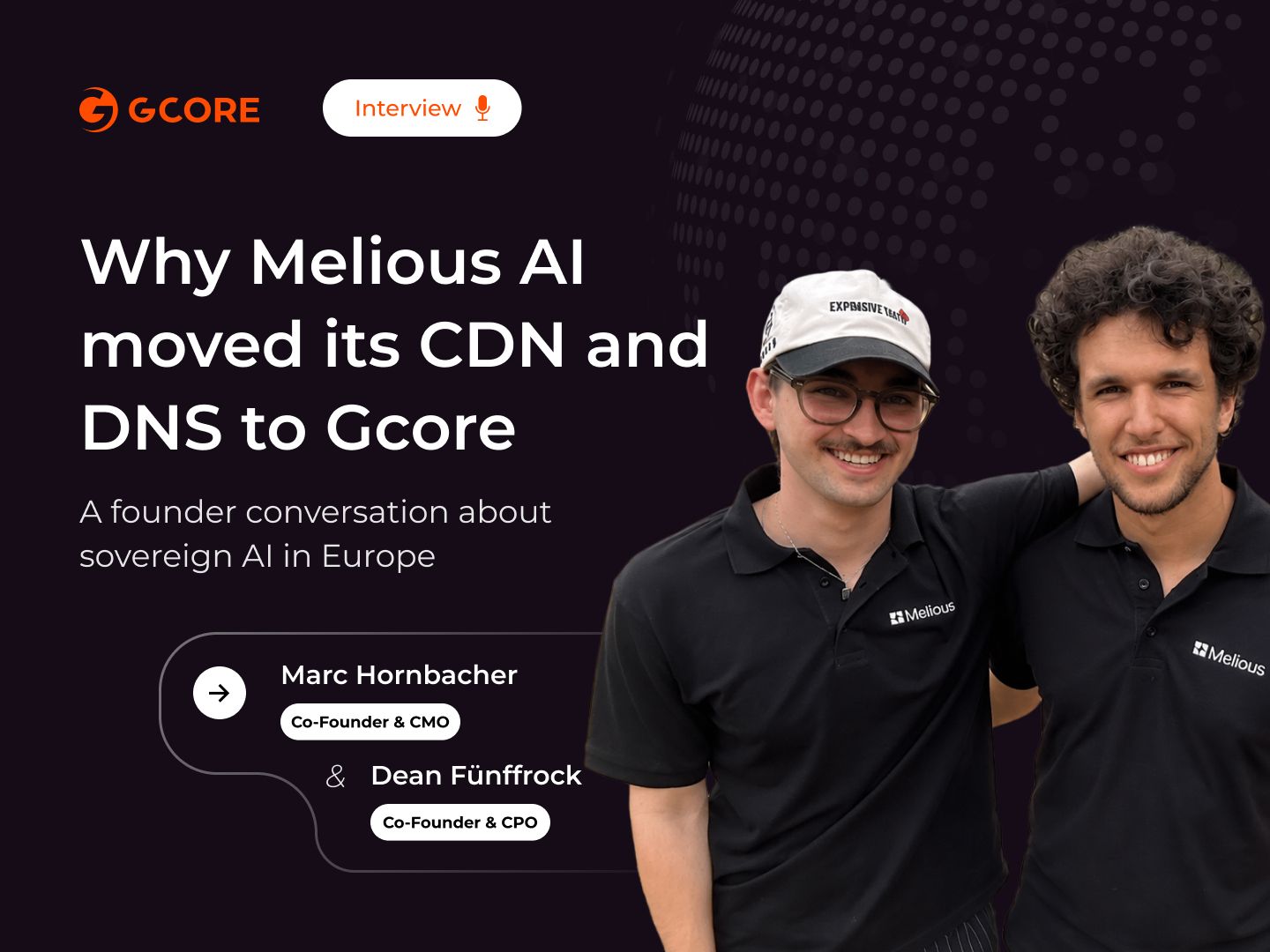
For many startups, infrastructure decisions are mostly about performance, pricing, and developer experience. For Melious AI, they are also about trust.Melious AI is a German startup building a European AI platform around privacy, transparen

As enterprises move AI from experimentation into production, they face a new infrastructure challenge. AI applications, models, and data are no longer confined to a single cloud or data center. Instead, they are distributed across multiple
Subscribe to our newsletter
Get the latest industry trends, exclusive insights, and Gcore updates delivered straight to your inbox.